info@rcn.si
 051 222 807
1
Energy efficiency class A or A+
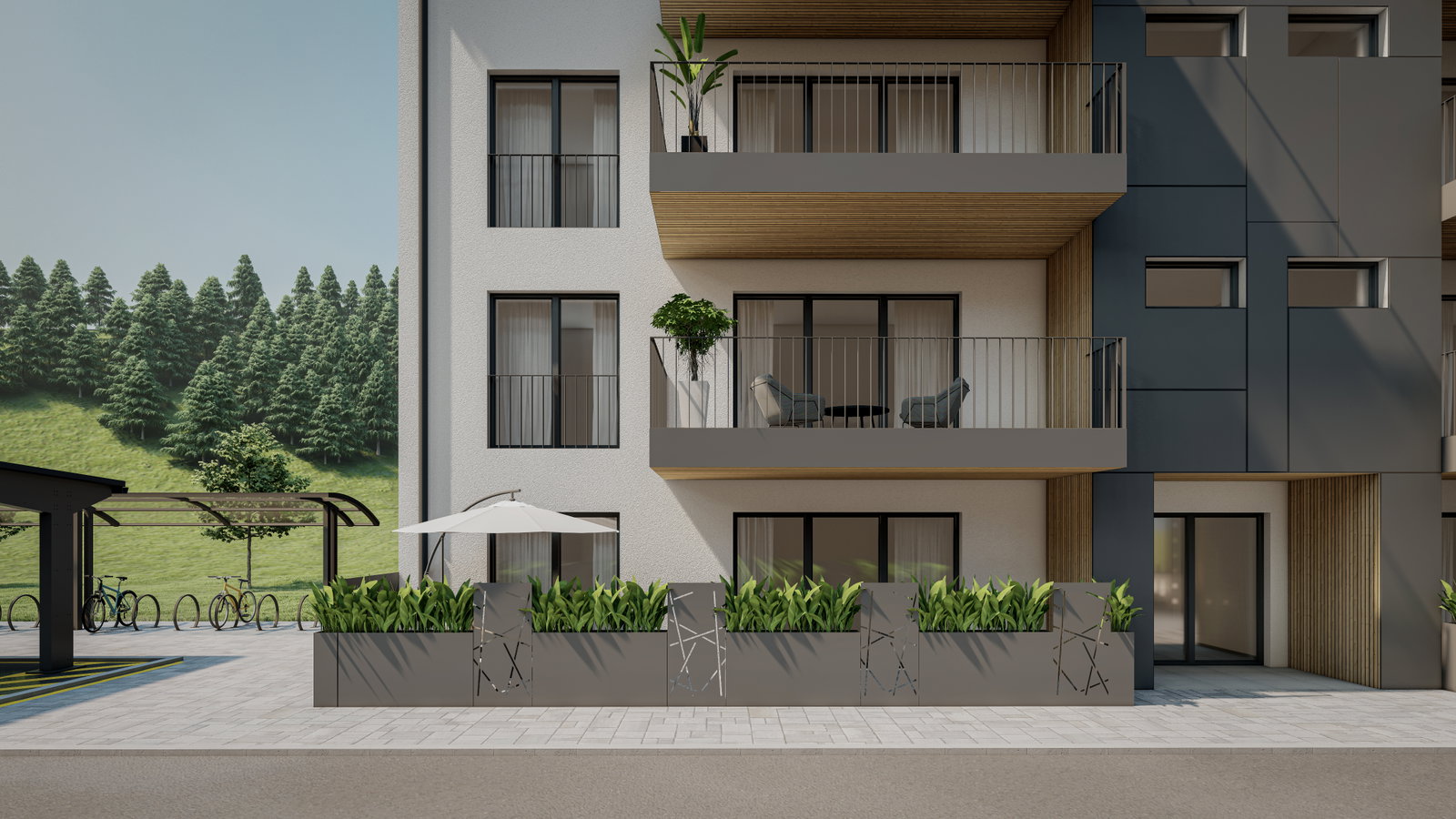
New buildings must meet high energy standards by law. This means thick thermal insulation, triple-glazed windows, and modern heating systems that together ensure monthly energy costs that pleasantly surprise you. The comparison with older buildings is not even close — new buildings often consume 60–80% less.
Savings on bills
2
Lower maintenance costs in the first decade
Everything is new. Installations, roof, facade, elevator — none of these will require replacement or extensive repairs in the first 10–15 years. Overall maintenance costs are predictable and low. In older buildings, often hidden unknown infrastructure awaits the opportunity to fail.
Financial predictability
3
Modern design tailored to today’s life
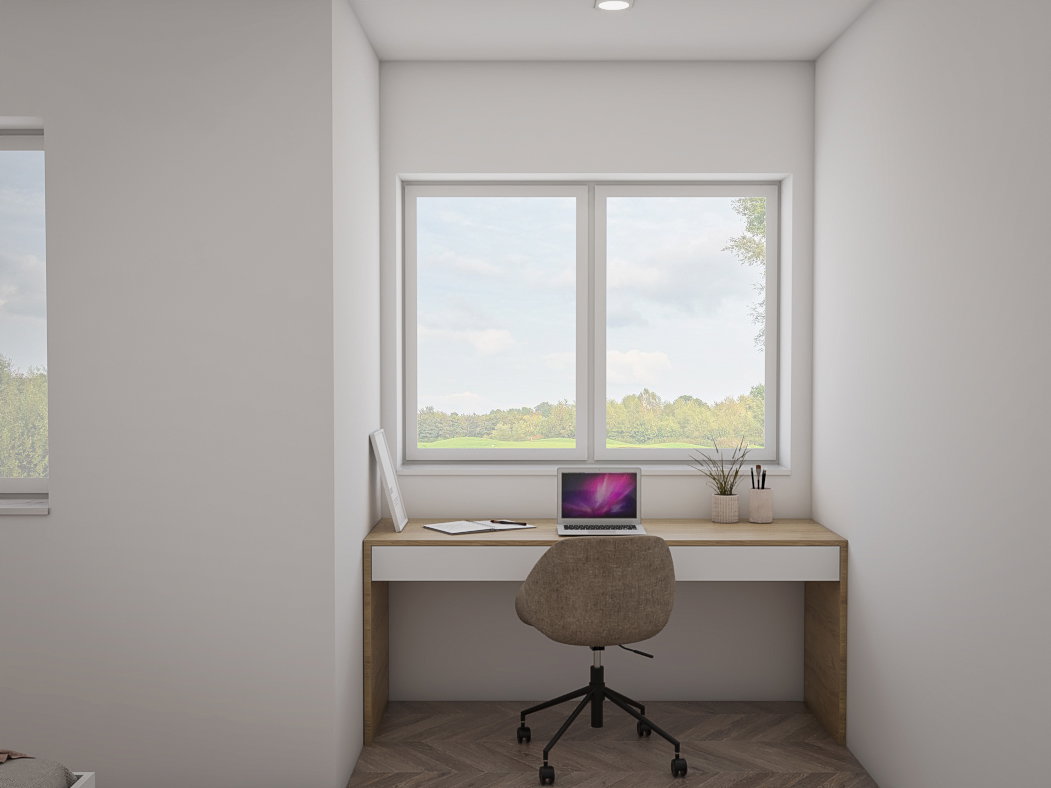
Open floor plans, natural light, smart storage, and spaces that work for you — not you for them. New buildings are created with an understanding of how people actually live today: working from home, having children, riding bikes, charging e-vehicles. Older buildings did not anticipate this.
Quality of life
4
Guarantees and legal protection for the buyer
Consumer protection laws and construction legislation provide new building buyers with a 10-year warranty for hidden construction defects and a 2-year warranty for execution defects. Buyers of used properties largely do not have this protection — the risk is borne by them.
Legal security
5
Smart infrastructure already in the walls
Fiber optics, smart energy management systems, readiness for charging stations, and home automation — new buildings incorporate these during construction. Adding this to an old building means breaking walls, high costs, and months of work. In a new building, everything is ready upon moving in.
Technological readiness
6
Smaller carbon footprint and environmental responsibility
Modern new buildings are not only energy efficient during use — they also consider sustainable materials, rainwater harvesting, green roofs, and solar systems. Residents not only save money but actively contribute to reducing the overall impact of the building on the environment.
Sustainability
7
Value that maintains and grows
New buildings have a long-term more stable value on the market compared to older properties. High energy classes are becoming increasingly important criteria for purchasing and financing — banks in the EU are already selectively assessing energy efficiency when approving mortgages. Investing in new buildings is smarter than ever.
Investment value
"Buying a new building is not just a decision about space — it is a decision about how you will live for the next thirty years."